The housing stock around Linden
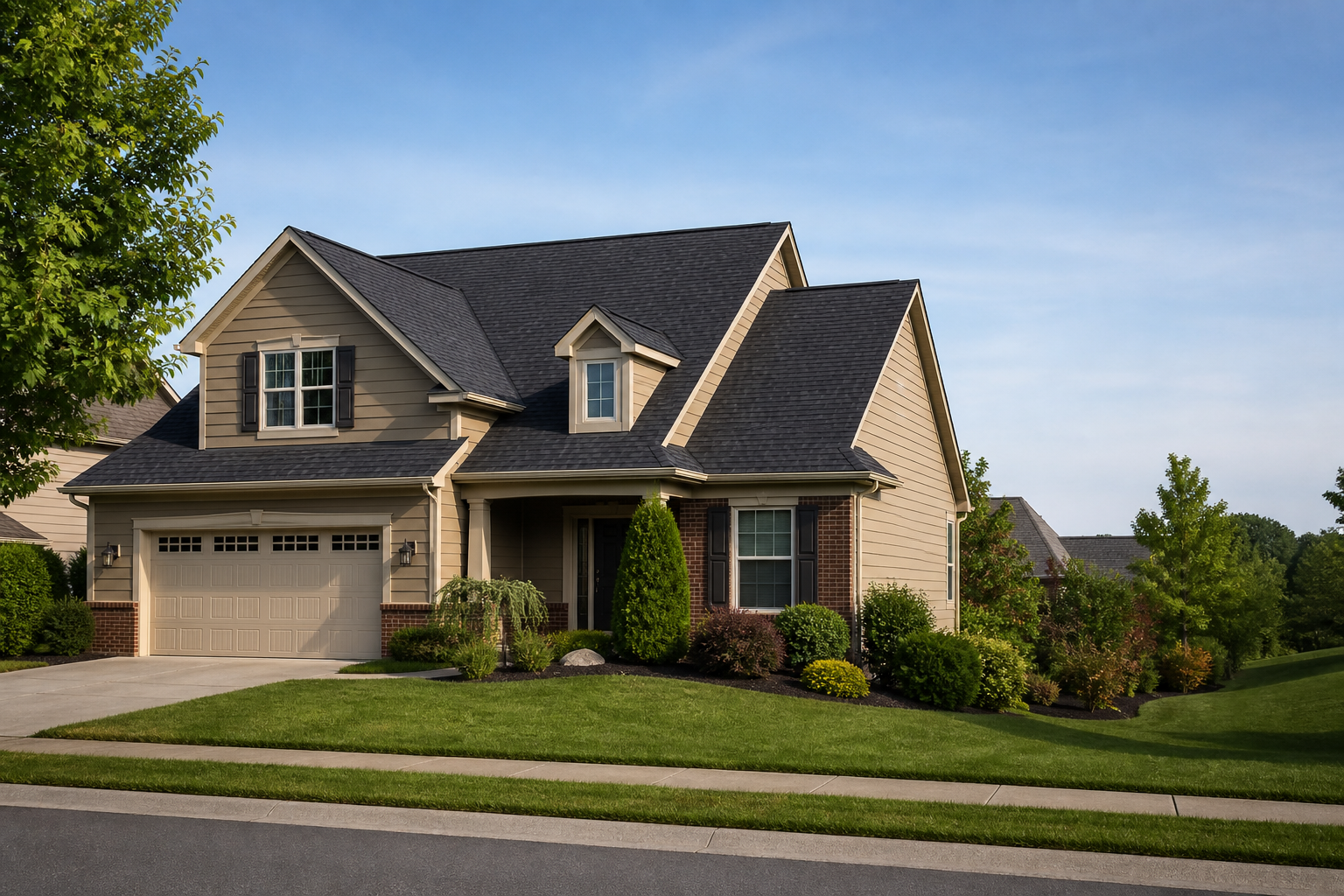
Streets closer to downtown Linden are largely wood frame homes built decades ago, many with roofs that have been reshingled more than once over the years and attics that were never designed with much ventilation in mind. Heat and moisture build up in those attics, which shortens shingle life from underneath in a way that is not visible from the street. Newer construction further from the center tends to have steeper pitched roofs with better factory built ventilation, and its failures are more often wind related, lifted tabs and loose ridge caps after a strong storm front comes through.
Route 1 and Route 27 as reference points
Linden sits along Route 1 and close to Route 27, and jobs across the town are easy to schedule around those corridors for anyone unfamiliar with the local streets. Properties near the industrial areas toward the Arthur Kill sometimes see more roof wear from salt air and wind exposure than homes further inland toward Roselle.
What we see most often in Linden
Pipe boot failures and chimney flashing leaks make up most of the repair calls, consistent with what shows up across the wider county, but Linden specifically sees a higher share of full re-roofs on homes that have gone through two or three shingle layers over the decades and are now past the point where another repair makes sense.
Siding calls in Linden lean toward wind damage after storms rather than general wear, which tracks with the town's exposure to weather coming off the water.
Scheduling around Linden's layout
Linden's residential streets tend to have more driveway space than the denser blocks closer to central Elizabeth, which makes staging a full tear off, dumpster included, more straightforward. Properties nearer the industrial corridor toward the water sometimes need a slightly earlier morning start to work around delivery truck traffic on the connecting roads, and we plan that into the schedule ahead of time rather than discovering it on the day of the job.